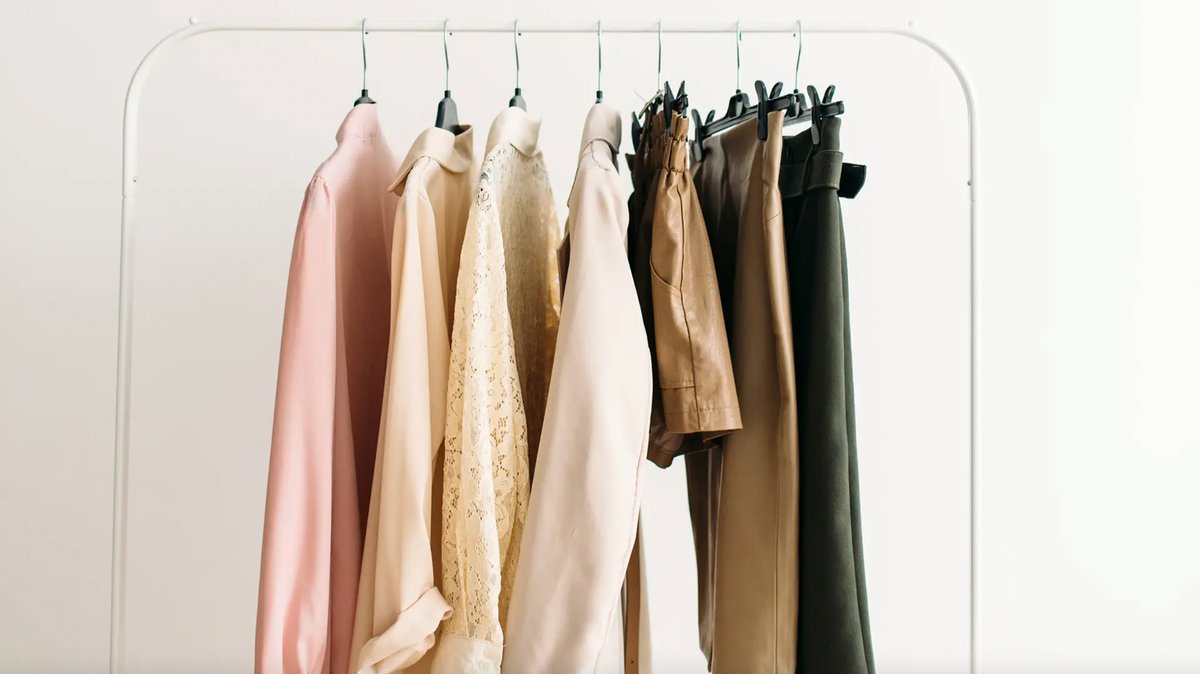
Defining your personal style is often difficult even when your closet is overflowing. However, your true preferences are already hidden within the clothes you naturally choose to wear and those you consistently ignore.
You don’t need a massive wardrobe overhaul or a spending spree to find your look. Start by identifying the items you already own that feel comfortable and flattering recognizing these patterns makes the daily act of getting dressed much simpler and more enjoyable.
Rather than trying to label your style overnight, stay curious and observant. By asking yourself a few simple questions and making small, intentional adjustments, you can gradually build a wardrobe that feels more authentic to who you are every single week.
Start With the Clothes You Already Love
Identify the pieces in your closet you reach for most often those reliable items that make you feel confident and comfortable. These favorites are the most accurate reflection of your personal taste, providing concrete evidence of what actually works for your lifestyle.
Lay these items out and look for common threads, such as consistent colors, fabrics, silhouettes, or overall moods. Note exactly why you love each one, whether it’s the comfort, the fit, or the way it makes you look put-together. This turns vague preferences into a clear understanding of your style.
Instead of trying to reinvent your look from scratch, use these patterns as your foundation. Refer back to these details whenever you get dressed or go shopping building around what you already know works removes the guesswork and makes developing your style much simpler.
Spot the Pieces You Wear on Repeat
Pay attention to the clothes you wear most frequently, as these items offer the most honest insight into what actually works for your lifestyle and taste. If you find yourself reaching for the same pieces every week, those are your signature items.
To identify your specific patterns, try tracking your daily outfits in a simple note on your phone for two weeks. When you look at the final list, the items that appear most often will reveal exactly what you feel most confident and comfortable wearing.
These “repeat players” are the foundation of your personal style because they have already proven their value. Once you recognize these trends, you stop guessing and start focusing on what truly makes you feel your best each day.
Use this data to guide your future wardrobe choices. If you love a particular pant style or a specific type of jacket, look for variations of those items in different fabrics or colors. Building your closet around these proven successes makes getting dressed much easier and more consistent.
Build Around Your Real Life
A great wardrobe should match the life you actually live, not an imaginary version of it. Focus on the activities that fill your typical week, such as commuting, working at a desk, or running errands. When your clothes align with your actual routine, getting dressed becomes significantly easier and more efficient.
Assess your weekly needs by looking at the balance of your schedule. If you spend most of your time in casual or professional settings, prioritize those types of pieces over formal event wear that rarely gets used. A closet that reflects your real habits will always feel more functional and satisfying than one filled with occasional items.
Consider your personal comfort and environment as well. While you might admire certain styles like high heels or rigid tailoring if you find yourself consistently choosing flats or soft denim for your daily activities, prioritize those comfortable alternatives. Additionally, ensure your clothing fabrics and layers are appropriate for your local climate to ensure your pieces are actually practical.
By building a rotation based on your daily reality rather than a fantasy, you eliminate impulse purchases and focus on what truly earns its place in your closet. When your wardrobe supports your real-life calendar, you stop feeling like you have nothing to wear and start enjoying a steady, flattering and reliable rotation.
Pick a Few Style References
Instead of overwhelming yourself with endless inspiration, focus on just three or four style references whose outfits you genuinely admire. A small, curated selection of looks provides far more clarity than a massive folder of random trends.
Choose references who share similarities with you, such as a comparable body type, lifestyle, or aesthetic preference. When you identify with the person behind the style, it becomes much easier to adapt their outfits into your own daily wardrobe.
A recent Vogue roundup gathered advice from stylish insiders on how they find and nurture their own looks, which makes it a useful place to pull ideas when you want a little direction without copying one exact outfit.
Further refine your inspiration by narrowing your focus to specific elements, such as how one person styles coats, another handles denim and a third approaches evening wear. This strategy converts general ideas into practical categories that you can realistically incorporate into your own daily life.
Collect only the specific images that truly capture your attention. As you gather these, look for recurring “ingredients” such as specific footwear, jewelry, or color schemes that appear across multiple photos. Identifying these consistent patterns will help you define your own unique style formula.
Choose Your Go-To Shapes
Every strong wardrobe relies on a few consistent shapes that fit your body and suit your daily movement. By identifying the cuts you feel most comfortable in, you simplify your shopping and ensure that every new purchase is one you will actually wear.
Focus on your most-worn pieces such as pants, tops and jackets to determine your preferred rises, lengths and fits. You might discover that you consistently favor specific silhouettes, like relaxed trousers over skinny jeans or cropped jackets over longer layers, which serve as the backbone of your style.
Integrate texture into these choices, as the feel of crisp cotton, leather, or soft knits works hand-in-hand with your favorite cuts to create instant ease. When you identify these successful combinations, they help you avoid buying clothes that look good on the hanger but never feel right on your body.
Finally, turn these shapes into a reliable outfit formula, such as pairing a blazer with a tank and straight-leg jeans. Establishing these simple, repeatable combinations is one of the fastest ways to build a cohesive wardrobe and ensure you always feel like yourself.
Lock In a Color Palette
A cohesive color palette is the fastest way to make your wardrobe functional. When your clothes share a color scheme, they naturally mix and match, allowing you to create more outfit combinations with much less effort.
Start by identifying the neutrals and accent colors you already own and wear most frequently. You don’t need a strict uniform; just select a few base shades like navy, cream, or brown and add a couple of accent colors that truly suit your personality.
Be honest about what you actually wear rather than what you admire in photos. If a color feels too bold for your daily routine, it won’t earn its keep in your closet. Focus on the shades that make you feel confident and comfortable in your day-to-day life.
Once you establish your palette, use it as a filter for future purchases. This simplifies your shopping process, makes layering effortless and ensures that your outfits always look pulled-together and connected.
Keep the Trends That Feel Like You
Treat trends as optional additions rather than mandatory rules. You don’t need to ignore them entirely or chase every new arrival; instead, adopt a “trend filter” to decide which pieces genuinely complement your existing wardrobe, color palette and lifestyle.
The most effective approach is to look for single items like a new belt, bag, or jacket that can modernize the outfits you already love. Avoid trends that require you to buy an entirely new set of clothes to make them work, as these usually become expensive distractions.
Pay close attention to the styles you naturally return to year after year, such as specific silhouettes or accessories. These recurring preferences are much more important than the temporary, weekly trend cycle and should form the core of your wardrobe.
By running every trend through the filter of your personal taste, you can keep your look current without losing your sense of self. This method ensures your style remains steady, authentic and easy to maintain over time.
Make Small Swaps, Then Repeat
Instead of overhauling your entire closet, focus on making small, intentional upgrades. Replace a weak or worn-out item with a higher-quality version, or add a versatile piece like a sharp jacket or new shoes that can instantly elevate the basics you already wear.
Take a gradual approach by tackling one category each month such as denim, bags, or tops. This slow pace allows you to evaluate which changes actually improve your daily outfits, ensuring that your wardrobe continues to feel like your own while it evolves.
As you repeat and refine your favorite outfit formulas, your personal style will naturally become clearer and more polished. This process of wearing, tweaking and repeating is the best way to turn vague preferences into a cohesive and reliable point of view.
Finally, remember that your wardrobe should grow alongside your life. Because jobs, bodies and seasons change, continue to check in with what feels good and what you actually reach for this keeps your style fresh, grounded and authentically yours.