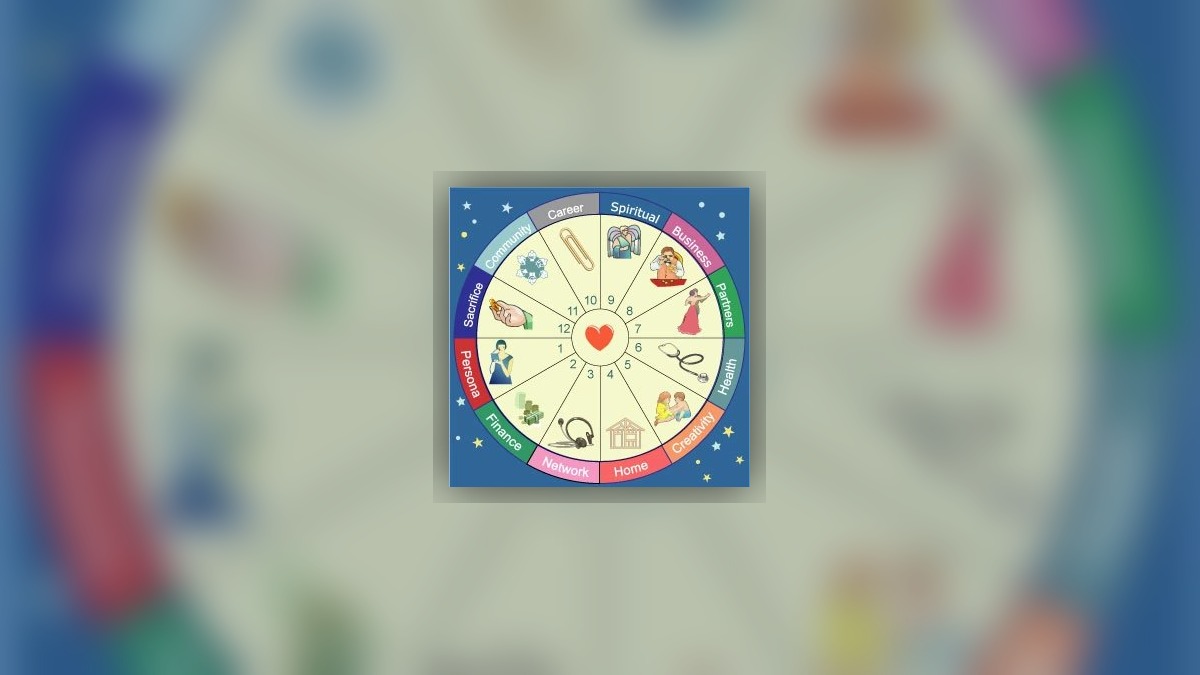
When people first look at a birth chart, the signs usually get all the attention. Then the houses come into view and that’s where the chart starts to feel personal. In astrology, the 12 houses point to the areas of life where your energy tends to show up more, from your personal relationships and work to family, money and private emotions.
Think of these signs as style and the houses as setting. A planet in the fifth house brings its themes into creativity, pleasure and romance. A planet in the tenth house tends to speak louder in career and public image. As Astrology.com explains, every chart has all 12 houses, even if some of them are empty.
Below, you’ll find a clear tour of what each house means and why astrologers pay such close attention to them. Whether you’re brand new to birth charts or trying to decode your own, these are the life categories that give the chart its shape.
1. First House, Self and First Impressions
The first house is the house of identity and presence. It represents the way you move through the world, the vibe people pick up when they meet you and the instinctive way you begin things.
In everyday life, this house can show up in body language, personal style and confidence. It often describes how you prefer to enter new spaces, whether that means diving in fast, easing in gently, or reading the room before making your mark.
Because the first house begins the chart wheel, astrologers often connect it with fresh starts. It can say a lot about your approach to change, your sense of self and how naturally you take up space when life asks you to lead.
For many readers, this is one of the easiest houses to feel. If you’ve ever heard someone say, “You seem so warm,” or “You have a strong presence,” that first impression often relates to first-house themes.
Planets here tend to make a person quite easy to notice. They add extra energy to the self and they can make the chart feel direct, visible and highly personal. In a reading, this house often sets the tone for everything that follows.
2. Second House, Money and Values
The second house turns its attention to money and material comfort. It usually covers income, possessions and the resources that help you feel steady in the world.
Yet this house reaches deeper than a paycheck. It also points to your values, your sense of worth and the things you want to build over time. Security matters here and so does the question of what truly feels valuable to you.
In practical terms, the second house can reflect spending habits and attitudes around saving. Some people feel drawn to quality and permanence. While others may value freedom, generosity, or simplicity more than having a lot of things.
Another layer of this house involves talents. Many astrologers read the second house as a clue to what you can cultivate and turn into something useful, profitable, or lasting. It has a grounded, hands-on quality.
When this house is active, life often brings lessons around stability. Those lessons can involve earning, self-respect and the slow, powerful work of deciding what you want to keep close.
3. Third House, Communication and Daily Life
The third house rules communication and connection close to home. It’s linked with speaking, writing, learning and the everyday exchanges that fill your schedule.
This is the house of texts, short trips, errands, neighborhood rhythms and the details that make up normal, ordinary life. It often carries a quick, busy feeling, the kind of energy that keeps your mind moving.
Many astrologers also associate the third house with siblings and early learning. It can suggest how you take in information and how you share it back, whether your style is chatty, thoughtful, direct, curious, or playful.
On a personal level, this house often shows how you stay mentally engaged. Some people need constant stimulation. Others want meaningful conversation with a small circle. The third house can hint at where your attention naturally goes during the day.
Because it deals with daily patterns, this house can feel surprisingly important. Your routines, your words and the people you mostly check in with often help shape how your whole life feels.
In chart readings, planets here can make someone a strong storyteller, a sharp observer, or a person whose mind is always gathering the next idea.
4. Fourth House, Home and Roots
The fourth house brings the chart inward. It relates to home and family life, your roots and the emotional foundation that helps you feel safe.
For some people, this house describes a physical home they care deeply about. For others, it points more strongly to family history, private memories, or the atmosphere they need in order to relax and feel settled.
There’s a deeply personal tone here. The fourth house can reflect childhood influences, family bonds and the stories that shaped you before the rest of the world really got a say.
At the same time, this house can show what you’re trying to create for yourself now. Maybe that’s a peaceful home, a close-knit family, or simply a corner of life that feels protected and real.
When astrologers look at this house, they’re often asking where you return for comfort. It’s the place in the chart that speaks to inner grounding, private truth and the need to belong somewhere.
5. Fifth House, Romance and Creativity
The fifth house is bright, expressive and full of joy and self-expression. It’s tied to romance, creativity, pleasure and the parts of life that make your heart feel awake.
This house covers artistic projects, hobbies, flirting and fun. It has a playful spirit and often shows where you want to be seen for what makes you unique.
In many readings, the fifth house relates to children and the act of creation itself. That can mean parenting, but it can also mean bringing something new into the world, such as art, ideas, performances, or passion projects.
There’s a confidence piece here, too. The fifth house asks how willing you are to take a creative risk, enjoy attention and let your personality shine without overthinking your every move.
For some, this house comes alive in dating and romance. For others, it shows up in the thrill of making something beautiful, funny, moving, or memorable.
When planets gather here, life may feel more colorful. There’s often a stronger urge to create, connect and follow what feels exciting.
6. Sixth House, Work and Wellness
The sixth house focuses on daily routines and health. It deals with work, habits, responsibilities and the systems that keep life functioning day after day.
This is the house of the to-do list. It can describe how you organize your time, how you handle obligations and what kind of rhythm helps you stay productive without burning out.
Health themes often live here, too. Astrologers commonly connect the sixth house with wellness practices, body maintenance and the small choices that add up over time.
In the workplace, this house speaks to service, teamwork and the practical side of getting things done. It can show whether you like structure, variety, independence, or a strong sense of purpose in your routine.
Even small habits matter in sixth-house territory. The way you sleep, eat, move and manage stress can shape the whole tone of your week.
7. Seventh House, Love and Partnership
The seventh house is the house of relationships and commitment. It’s associated with one-on-one bonds, especially marriage, long-term partnership and important alliances.
While the first house focuses on the self, the seventh turns your gaze toward the other person across from you. It often reflects what you seek in a close relationship and what you learn through them.
This house can describe romantic partners, business partners and anyone who plays a major role in your life through direct connection. It’s about cooperation, negotiation and the art of meeting someone halfway.
At times, the seventh house also reveals patterns. You may see recurring themes in the kinds of people you attract, the dynamics you repeat and the qualities that help your partnerships thrive.
For readers exploring love astrology, this house tends to stand out right away. It carries clues about your commitment style, shared goals and what balance looks like in your closest bonds.
When planets land here, relationships often become a major teacher. They can bring growth, reflection and a deeper sense of what partnership asks from you.
8. Eighth House, Intimacy and Shared Resources
The eighth house has a reputation for depth. It’s linked with intimacy and transformation, as well as shared resources, emotional merging and the parts of life that ask for trust.
This house often comes up in conversations about joint finances, debts, inheritances and the resources that are tied to another person. It can highlight where money and vulnerability overlap.
Emotionally, the eighth house has a strong feeling. It deals with closeness, loyalty, fear, healing and the process of moving through intense experiences that change you from the inside out.
Because of that, astrologers often read this house as a place of rebirth. It can point to moments when you release an old layer of yourself and come back stronger, wiser and more honest.
There’s also a private quality here. The eighth-house tend to unfold behind closed doors, in deep bonds, difficult transitions and conversations that reach far below the surface.
9. Ninth House, Travel and Beliefs
The ninth house opens the chart outward. It’s the house of travel and big ideas, linked with belief systems, higher learning and the search for meaning.
People often associate this house with long-distance travel and that fits. It’s connected to the experiences that broaden your world and challenge you to think beyond what feels familiar.
Education lives here too, especially the kind that expands perspective. Philosophy, religion, culture and personal truth often enter the conversation when the ninth house is active.
For some, this house shows up as a hunger for exploration. For others, it appears as a love of books, ideas and conversations that stretch the mind toward something larger.
In a chart reading, the ninth house can suggest where you should go in order to make sense of life. It reflects curiosity, growth and the desire to connect your experiences to a wider story.
When planets gather here, a person may seem especially drawn to learning, teaching, wandering, or asking the kinds of questions that can never have a single answer.
10. Tenth House, Career and Reputation
The tenth house is one of the most visible parts of the chart. It points to career and public image, along with ambition, achievement and the impression you make in the wider world.
This house can reflect professional goals, leadership style and the kind of success you want to build. Some people aim for recognition. Others care more about influence, purpose, or long-term respect.
There’s a public-facing quality here. The tenth house often speaks to reputation, legacy and the role you grow into over time as your work becomes more defined.
Many astrologers look here for clues about vocation. It may not hand over a job title, but it can reveal how you want to be known and where you’re willing to put in a sustained effort.
As life unfolds, this house often gains importance. It carries the story of your rising visibility, your milestones and the standards you set for yourself when you’re striving toward something meaningful.
11. Eleventh House, Friends and Future Goals
The eleventh house has a wide social lens. It rules friendship and community, along with hopes, networks and the future you imagine for yourself.
This house speaks to groups, teams and shared ideals. It often shows where you feel connected to people through common interests, causes, or dreams that stretch beyond individual ambition.
Friendships live strongly here. The eleventh house can hint at the companions who energize you, inspire you and remind you that life is bigger when it’s shared.
There’s also an aspirational side to this house. It deals with wishes, long-term goals and the visions that keep you moving toward what’s coming.
At its best, eleventh-house energy feels hopeful. It brings people together around possibility, support and a sense that tomorrow can hold something exciting.
12. Twelfth House, Rest and the Inner World
The twelfth house is the most inward of the bunch. It’s linked with rest, retreat and reflection, along with dreams, solitude and the parts of your inner life that stay hard to name.
This house often carries a quiet atmosphere. It can describe what happens behind the scenes, what needs healing and what rises when the outside noise finally fades.
For many people, the twelfth house speaks to privacy. It’s where you process emotions, recharge and step away from constant visibility so your deeper feelings can catch up with you.
Some astrologers also connect this house with spirituality and the subconscious. It can point to intuition, symbolic thinking and the hidden patterns that shape your emotional world.
Because it sits at the end of the chart, the twelfth house often feels like a closing room. It gathers endings, reflection and release, then quietly prepares the ground for a new beginning.
In real life, this house can be a reminder to slow down. Rest, inner honesty and private renewal are part of growth too and the twelfth house holds space for all of it.