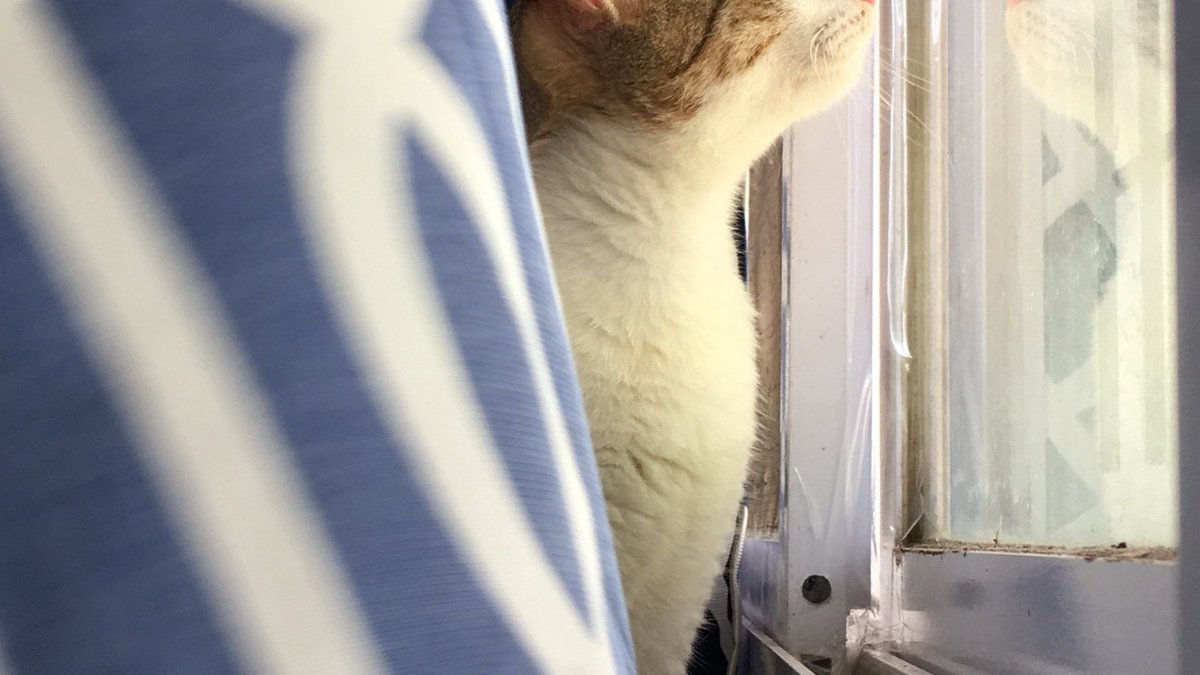
If you live with a cat, you’re likely familiar with having a constant companion who follows you from room to room. While it may seem amusing or puzzling, this “shadowing” behavior is a common and affectionate trait.
Cats follow their owners because they value routine, curiosity and access. By staying close, they are simply looking for attention, keeping an eye on your movements and maintaining proximity to the person they trust most.
A recent veterinarian-reviewed PetMD article points to practical reasons cats follow their people around, including bathroom trips and it also notes a few signs that can make a vet visit worth considering.
Why Your Cat Wants to Be Wherever You Are
Despite their reputation for independence, cats often form strong bonds with their owners. If you are the person who feeds and comforts them, your cat likely views you as the center of their world and naturally wants to stay close to you throughout the day.
Your movement also plays a major role in this behavior. Cats are hyper-aware of their environment and every time you stand up or walk around, they view it as an event worth investigating. Following you is simply their way of making sure they don’t miss out on what you are doing.
Routine is another key factor, as cats thrive on predictable daily patterns. If you visit the bathroom at consistent times like right after waking up or before bed your cat eventually learns this schedule and incorporates it into their daily activity, treating your presence there as a normal part of the routine.
Finally, this behavior often comes down to individual personality and trust. Some cats are simply more affectionate and companionable, using you as a source of reassurance. Whether they are sitting by the sink or waiting outside the door, they are just checking in with the person they trust most.
Why a Closed Door Gets Their Attention
A closed door changes your home from an open territory into a mystery. Because cats want to monitor every corner of their environment, they dislike being shut out of any space. To them, a closed door is a puzzle they feel the need to solve, often resulting in pawing or meowing until the barrier is removed.
This behavior is reinforced if you open the door when they cry, as they quickly learn that persistence pays off. Over time, the door itself becomes an intriguing object. They aren’t just trying to be difficult; they are simply trying to regain control over their territory and access the spaces they are used to patrolling.
Separation also plays a role in this reaction. If your cat is attached to you, a closed door feels like a forced disconnect. They often wait right outside because they want to maintain that connection, keeping watch until you are back in the same room.
Finally, cats are highly sensitive to sound. Noises from faucets, fans, or your voice suggest that something interesting is happening on the other side. This blend of natural curiosity, territorial instinct and a desire to be near you makes a closed bathroom door one of the most irresistible challenges in their world.
Why Running Water Makes the Bathroom Extra Interesting
Bathrooms are sensory hotspots for cats because they offer unique sights, sounds and temperatures. The combination of cool tile, steam and echoes creates an environment that feels different from the rest of the house, making it a comfortable place for them to lounge or explore.
The most magnetic feature is often the running water. Many cats prefer the motion and sound of a faucet over a still bowl, leading them to investigate the sink or wait for you to turn the tap on. This movement is naturally stimulating and turns a simple bathroom visit into an engaging event.
Because bathrooms involve constant changes like moving shower curtains, swirling water and opening cabinets they satisfy a cat’s natural urge to observe and inspect their surroundings. They are constantly scanning for anything that shifts, drips, or makes noise and the bathroom provides a high concentration of these interesting stimuli.
Ultimately, your cat’s presence is driven by a mix of curiosity and routine. Since you visit the bathroom regularly, they have learned to associate the room with activity and your company. Over time, they simply treat the bathroom as a favorite “shift” to work, ensuring they never miss out on the action.
Why Bathroom Time Can Feel Like One on One Time
Your bathroom visits often feel like “premium” social time to your cat because it is one of the few moments in your day when you are stationary and less distracted. Unlike times when you are rushing through chores or working at a computer, the bathroom allows you to be still, creating a perfect opening for your cat to solicit affection, head-butts, or chin scratches.
This behavior is frequently reinforced by your reactions. If you talk to them in a friendly voice, pet them, or laugh when they hop on the sink, you are actively teaching them that this room is a rewarding place to be. Over time, they begin to anticipate these positive interactions, making the bathroom a reliable hub for connection.
Beyond the active interaction, many cats value the “shared quiet.” They don’t always need play or intense stimulation; often, they simply find comfort in your presence while you perform a routine task. This proximity acts as a “check-in,” a way for them to confirm you are safe and secure within their territory.
Ultimately, your cat isn’t trying to be intrusive they are simply recognizing an easy opportunity for closeness. Because they associate the bathroom with your undivided focus, calm energy and a predictable routine, they make it a point to join you, viewing those few minutes as a meaningful way to bond with the person they trust most.
When the Behavior Is Worth Mentioning to a Vet
While following you into the bathroom is usually normal, you should watch for sudden changes in behavior. If your cat’s clinginess becomes intense, constant, or significantly different from their usual pattern, it could be a sign that something is wrong.
Monitor your cat for other physical warning signs, such as changes in appetite, thirst, or energy levels. Symptoms like vomiting, diarrhea, unsteadiness, or vocal signs of distress are important indicators that your cat may be feeling unwell and needs a professional evaluation.
Keep a close eye on their litter box habits, as issues like straining or accidents outside the box are often linked to medical concerns. Because cats are subtle about their discomfort, any patterns related to bathroom use or elimination should be treated as a potential health clue.
Context is key when determining if a behavior is a cause for concern. While young cats are naturally curious and senior cats may become clingy for comfort, any unexplained shift in your cat’s routine warrants a call to your vet. Knowing your cat’s “normal” makes it easy to identify when a habit stops being sweet and starts being a reason to seek help.